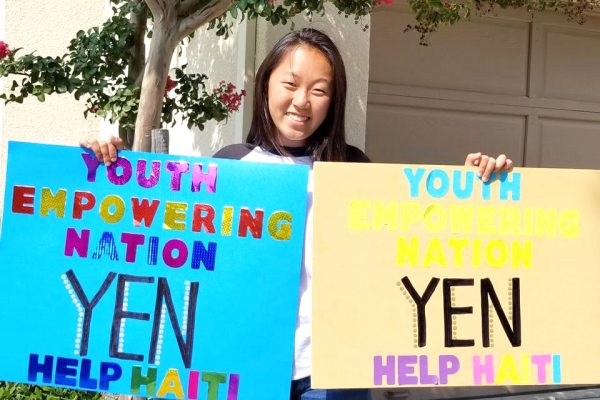

YEN is a non-profit organization rooted in Christian faith
whose mission is to empower the youth
in developing nations through education.

null

EMPOWER YOUTH

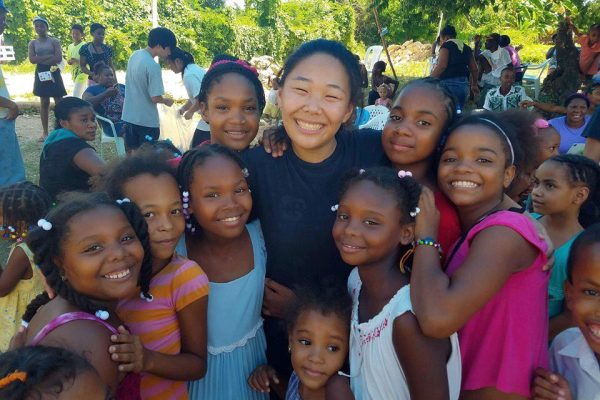
YEN brings youth from all parts of the world together. YEN is a platform in which youth participants share their experiences and resources to build lasting relationships, empowering them to work collaboratively to help one another.

null

REACH NATION

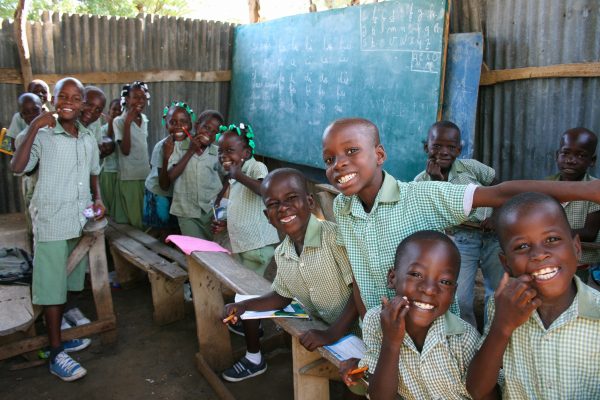
YEN supports schools in Haiti (one of the most impoverished nations), the Dominican Republic, and Vietnam. YEN’s focus is to provide educational opportunities and to meet the physical, emotional, and spiritual needs of children.
null

BUILD LEADERS

YEN imparts what it means to be a leader through action and servanthood. No training or academic study will teach leadership without the actual experience. Our leadership training takes place in real life with real people by caring for and serving those who are in need.

SEE OUR MISSION IN ACTION

Meet Anderson

A student in Haiti whose story captures the heart of everything YEN does.

MISSION LOCATIONS

HAITI

Lubin Village

LRM_EXPORT_52389314242084_20180913_204526730

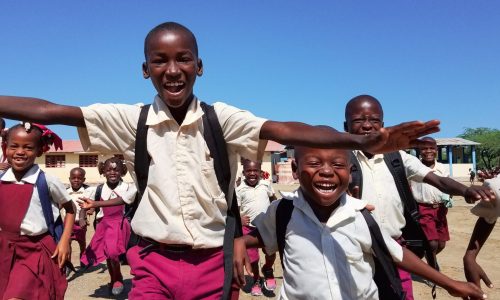
Haiti is a young nation with a median age of 24 years, and more than 50% of its population is less than 25 years old. Approximately 33% of Haiti’s population is under the age of 14 years.

Lubin Villate

Lubin is a small, rural, and impoverished village located in the Artibonite Department of Haiti, near the city of Saint-Marc. Situated along the banks of the Artibonite River, the community relies heavily on rice farming. Key characteristics of the village include: Geography & Accessibility: Lubin is relatively isolated. Traveling there from Port-au-Prince requires a three-hour drive on the highway, an additional hour along dirt roads, and a final stretch often navigated via motorcycle or on foot. Economy & Lifestyle: The majority of the residents are humble farmers working the land around the Artibonite River.Infrastructure & Challenges: Like many remote agricultural communities in Haiti, Lubin historically faced challenges regarding access to basic infrastructure and clean drinking water.

DOMINICAN REPUBLIC

Villa Progreso (El Progreso)

IMG_4315.JPG

The Dominican Republic (DR) shares the island of Hispaniola with its neighbor Haiti, and the two nations are deeply connected — geographically, historically, and humanly. Driven by severe gang violence and a deepening humanitarian crisis at home, large numbers of Haitians have migrated to the DR in recent years. Communities like Villa Progreso in Santiago reflect this complex reality, where Haitian residents have long been woven into the fabric of everyday Dominican life.

Villa Progreso (El Progreso) — Santiago Oeste, Dominican Republic

Villa Progreso, locally known as El Progreso, is a vibrant and distinctive neighborhood located in the westernmost edge of Santiago Oeste (Santiago de los Caballeros), Dominican Republic. The community has a uniquely diverse population, with a notable presence of Haitian residents from the north.

Geographic Location & Scope: Villa Progreso belongs to Santiago Oeste, which was originally part of the city of Santiago but has since been separated due to rapid population growth in the western districts, and now operates as a Distrito Municipal (municipal district) with its own degree of autonomy. Situated at the far western outskirts of the city, it is approximately 40 minutes from Santiago International Airport and about 15 minutes by car from downtown Santiago. The Haitian border town of Dajabón is roughly a 3-hour drive to the north.

Economic Background: The primary driver of the neighborhood’s growth is the Zona Franca — the Parque Industrial Víctor Espaillat Mera free trade zone — which serves as one of Santiago’s main economic engines and is located in the area. Rural migrants moving to the city have steadily settled in these western outskirts, fueling the neighborhood’s expansion. The local economy is largely working-class, built around small businesses such as bodegas (mini-markets), colmados, vegetable stands, comedores (informal local restaurants), motoconcho (motorcycle taxis), and concho (shared public taxis).

Development & Outlook: The name “Progreso” fittingly means progress or advancement — and the neighborhood has lived up to its name in recent years. With support from the central government, ongoing modernization efforts include the installation of sidewalks (aceras), drainage systems (contenes), utility poles, electricity infrastructure, and running water systems. On a larger scale, Santiago city as a whole is currently expanding its public transit network with a cable car and monorail system, and the final station of the monorail line is being installed in this area.

Community Life: The community is warm and tight-knit. Weekends and evenings tend to be lively — and loud, filled with music — but overall, Villa Progreso is considered a relatively safe neighborhood.

Vietnam

Ham Tan

KakaoTalk_Photo_2026-06-01-11-03-55

Vietnam has made remarkable strides in reducing poverty over recent decades, yet in rural areas — home to 70% of the population — poverty remains a severe and persistent challenge, with average incomes less than half those in urban areas and a rural poverty rate nearly three times higher than in cities.

Ham Tan

Ham Tan is a town located about 150 kilometers from Ho Chi Minh City.
It has a population of around 70,000 people, and most of the residents are farmers who grow rice and cultivate fruit.
Although many of the parents did not receive much formal education and live in poverty, they show great interest in and support for their children’s education.
In the past, when the Vietnamese government strongly persecuted Christians, believers from various regions were forced to settle here in Ham Tan. They were stripped of their homes, farmland, money, and possessions, and were driven out to this area.
Over time, they settled here, and now their descendants continue to live in the community. Because of this unique history and environment, more than 80% of the residents in this area are Christians.
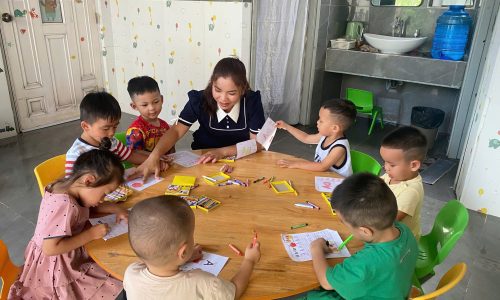
As a result, the local residents strongly desired a Christian school here, and eventually, three years ago, our school was established.

WHAT WE DO

EDUCATION

One of the first steps in overcoming poverty is receiving an education.

FOOD

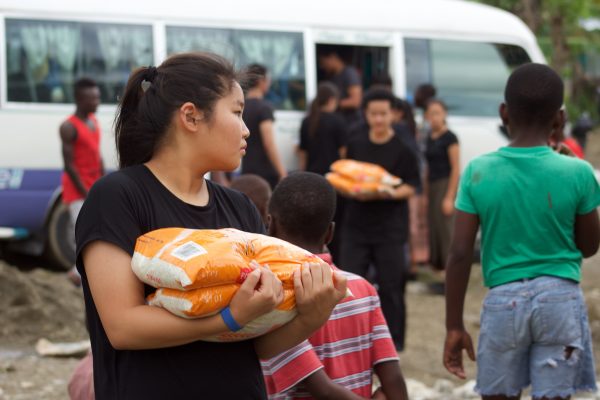
Every 3.6 seconds a person dies of hunger. 75% of them are children.

FRIEND & MENTOR

We are all travelers in the wilderness of this world, and the best we can find in our travels is an honest friend.

CONFERENCES & EVENTS

Conference & Events

Give a man a fish and you feed him for a day. Teach a man to fish and you feed him for a lifetime.